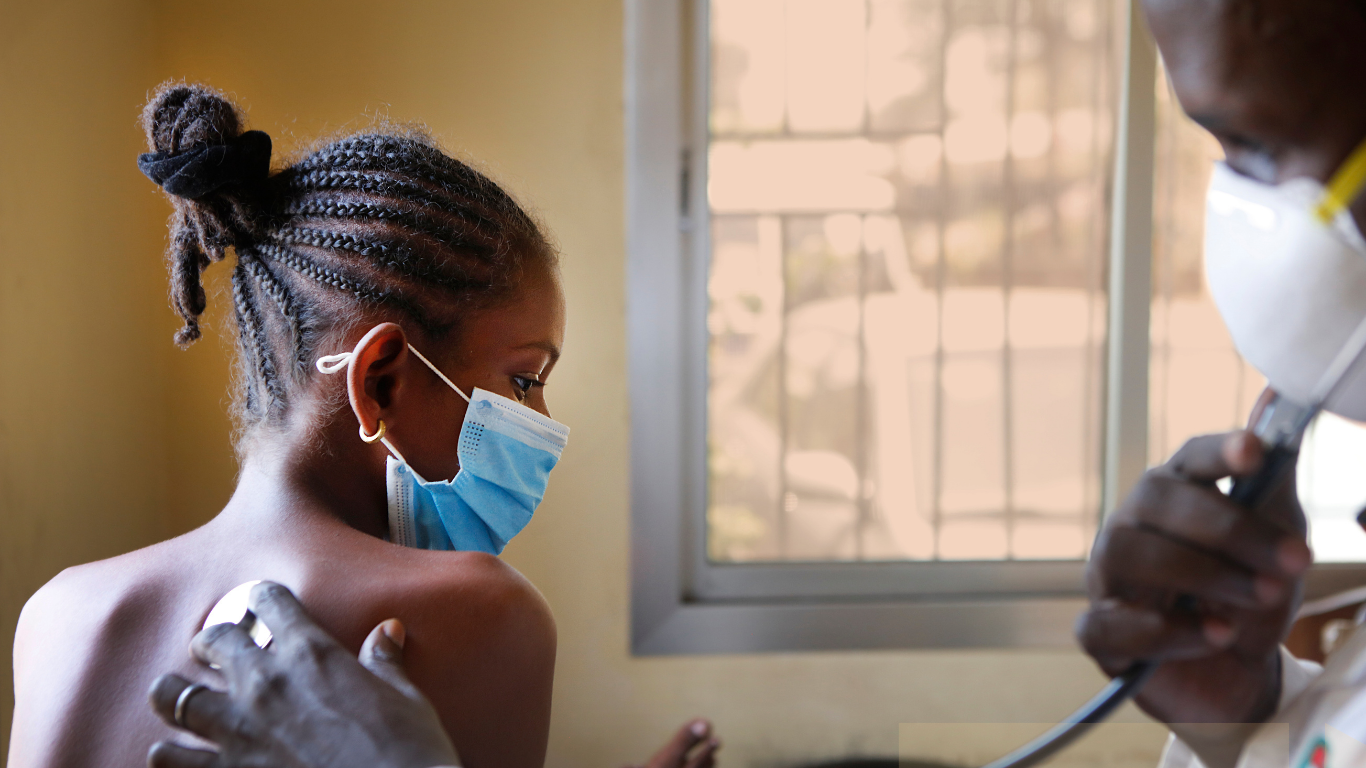
Diagnosing sooner, tailoring treatment, preventing transmission and limiting after-effects: medical research is helping to make a real difference to the lives of people with tuberculosis and leprosy. Find out how Damien Foundation turns research into solutions adapted to realities on the ground.
Curing is essential. So is improving care.
tuberculosis and leprosy are curable diseases. However, early diagnosis and suitable treatment are still hard for many people to access, particularly in regions where healthcare resources are limited.
And even after recovery, the consequences of these diseases can persist. Respiratory sequelae, disabilities, side-effects of treatment: these complications can hinder a return to independent everyday life.
To address these challenges, Damien Foundation carries out research projects with health professionals, health authorities and scientific partners. More than half of this work focuses on drug-resistant tuberculosis, a key global public health challenge. Around 20% relates to leprosy, with the aim of improving our understanding of how it is transmitted and contributing to long-term elimination strategies.
Each project starts from the actual needs of those affected and aims to ensure that the findings inform health policies. As Dr Alberto Roggi, Head of the Health Action & Global Impact Department, points out,
‘Research and innovation are only meaningful if they address people’s real needs and reflect the priorities of health systems.’
Three research projects advancing care
Senegal: breathing freely again after tuberculosis
A study carried out by Damien Foundation with the Ministry of Health shows that one in three patients cured of tuberculosis are left with respiratory after-effects, 23% of which are visible on X-rays. These after-effects are not harmless: they are accompanied by persistent breathing difficulties, with a considerable impact on quality of life.
How can these people be helped to regain their independence? A pioneering initiative in Bangladesh showed that post-recovery physical exercises and therapeutic education clearly improve the capacity for exercise and reduces breathlessness. These findings are now prompting Senegal’s national programme to plan systematic pulmonary follow-up and appropriate rehabilitation care, so that recovering from the disease also means returning to a better quality of life.
Niger and Guinea: safer treatments for drug-resistant tuberculosis
Drug-resistant tuberculosis is treated with several powerful antibiotics, including linezolid. Though highly effective, this drug can have serious adverse effects. It can cause severe anaemia, i.e. a lack of red blood cells, as well as peripheral neuropathy: potentially irreversible nerve damage that causes pain, tingling or loss of sensation in the feet and hands.
In Niger, a trial involving 158 patients led to a worrying finding: serious adverse effects were three times more common with treatment containing linezolid (32.5% of patients, compared with 10.3% with other treatments).
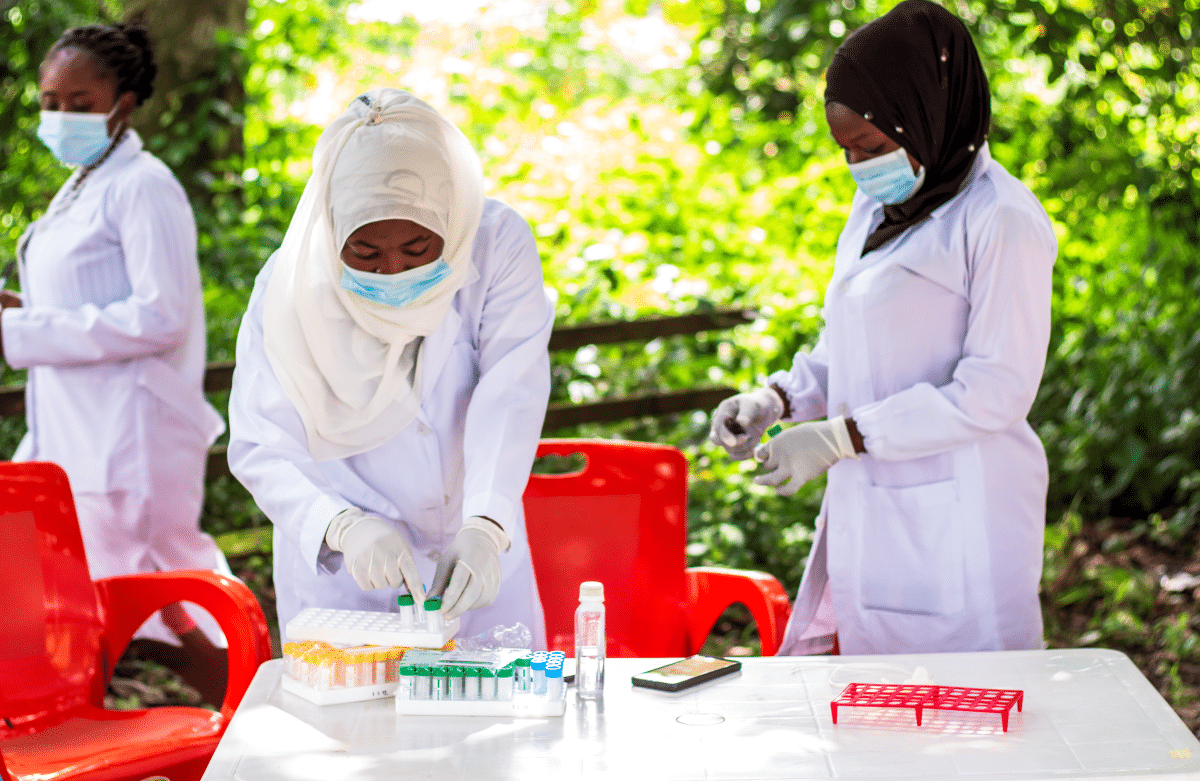
To tackle this, Damien Foundation launched the AES trial in partnership with the Antwerp Institute of Tropical Medicine and the Sacro Cuore Research Institute in Negrar (Verona). It compares the standard treatment, which contains linezolid, with one that does not. In patients receiving linezolid, the drug’s concentration in the blood is measured using a simple finger-prick sample. This is a first in Niger. These measurements are helping to explain why patients experience more adverse effects with this drug.
In Guinea, Damien Foundation is carrying out a similar study with the University of Milan, which provided a device that measures the drug in the blood. The results can also be used to adjust each patient’s linezolid dose during treatment in order to limit its adverse effects while maintaining its effectiveness.
Comoros: protecting the loved ones of people with leprosy
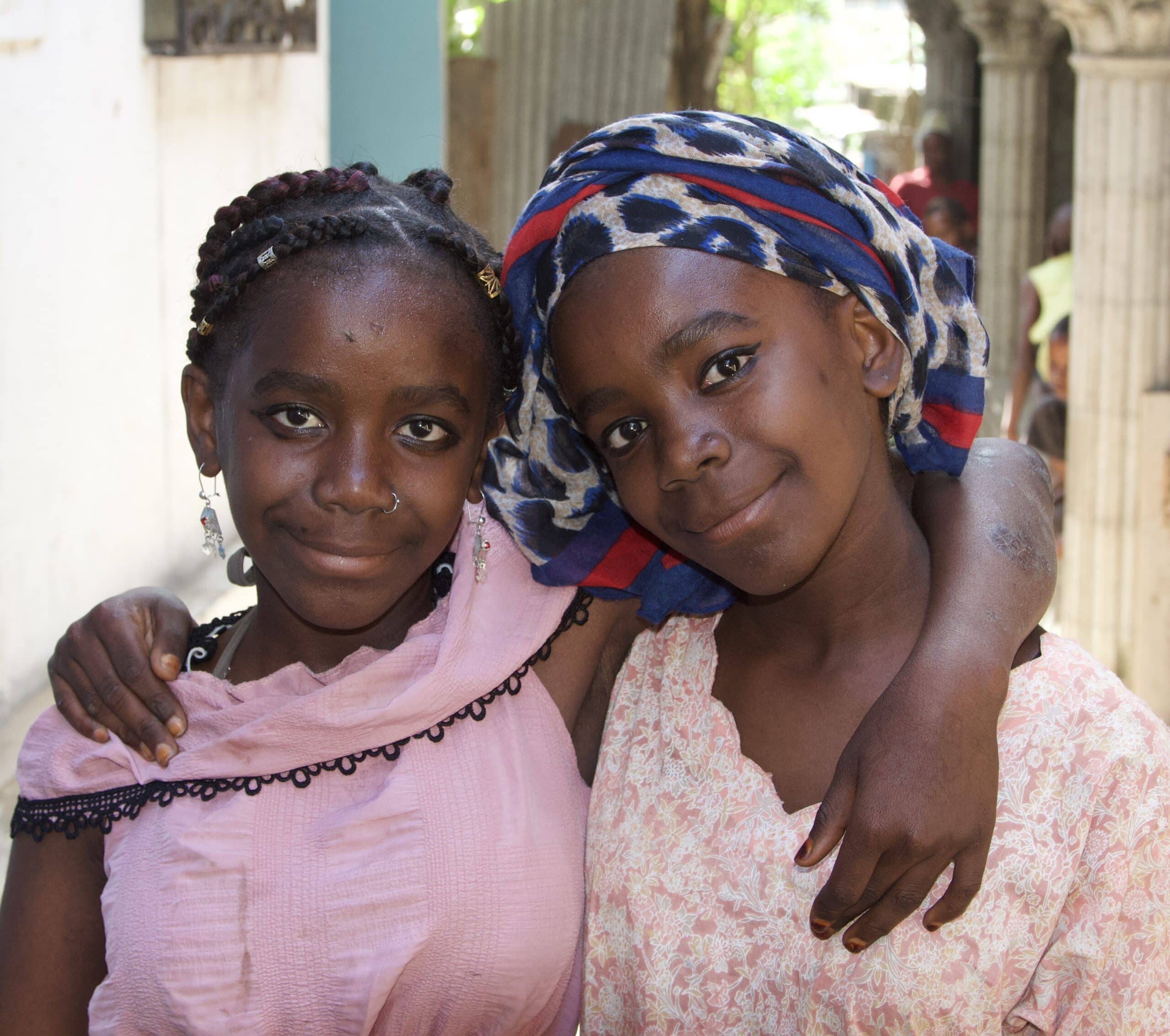
Comoros is one of the countries where leprosy is still endemic, with one of the highest prevalence rates in the world. Together with the Antwerp Institute of Tropical Medicine, Damien Foundation has shown that preventive treatment given to an affected person’s family members reduces the risk of developing the disease by 44%. On the island of Anjouan, the number of new cases has been cut by 50% in this way.
The work is ongoing: every year, the teams return to the villages to assess the effectiveness of the treatments. This surveillance is complemented by a study of social interactions between the villagers (‘Social Network Analysis of Leprosy’) and by geolocation tools that are being used to map those with the disease, identify the worst-hit areas and bring prevention activities as close as possible to communities. The results of a second study are expected in 2027.
From research to care: a collective commitment
From Dakar to Anjouan, these three examples illustrate the same conviction: a scientific breakthrough is only of value if it changes the lives of people affected by disease. This is why Damien Foundation ties each project to realities on the ground and to national health plans, so that the findings lead to sustainable care practices.
This work on tuberculosis will also be shared with the scientific community: from 17 to 20 November, several of Damien Foundation’s medical experts will present the progress made in their research at the Union World Conference on Lung Health in Rio de Janeiro.
Your support is advancing research
Thanks to you, Damien Foundation’s teams are developing innovative solutions to improve the prevention and treatment of tuberculosis and leprosy. Your donation will enable them to take the difficulties that patients experience and the way the diseases are transmitted as the starting point for developing treatments that reflect reality.
Together, let’s advance research so that everyone can benefit from the right care.
Published on the 9th of Novembre 2026